Core Components of Sleep Health
Sleep health rests on three intertwined pillars: duration, quality, and regularity. Duration refers to the total hours of sleep you obtain over a typical 24-hour cycle. Quality encompasses the depth and continuity of sleep—how often you awaken, how long you stay in REM and non-REM stages, and how restorative the sleep feels. Regularity is the consistency of your sleep-wake schedule, a rhythm that signals your body's internal clock to perform at its best.
Across eras, researchers have shown that small, consistent changes compound over time. A bedtime routine, a cooler sleep environment, and mindful caffeine timing can shift the balance from restless nights to restorative rest. In the pages that follow, we’ll translate these ideas into everyday habits and practical adjustments you can apply starting tonight.
Daily Routines that Promote Melatonin and Calm
Melatonin, a hormone governed by light exposure, plays a pivotal role in signaling the body to prepare for sleep. By shaping our daily rhythm—especially the hours leading up to bedtime—we can nurture a natural decline in alertness that eases us toward sleep. Here are routine-focused strategies backed by science and crafted for busy lives:
- Establish a consistent sleep window: aim for a bed and wake time within the same 30-minute range each day, including weekends.
- Dim the lights as evening approaches: reduce blue light exposure from screens, and consider warm, dim lighting to support melatonin production.
- Create a calming pre-sleep ritual: gentle stretching, light reading, or a brief mindfulness exercise signals the brain that it’s time to wind down.
- Avoid heavy meals and caffeine late in the day: heavy, late meals can raise core body temperature and caffeine can linger, delaying sleep onset.
- Optimize your caffeine timing: prioritize caffeine before noon, and avoid it in the late afternoon or evening.
In addition to routine, the environment plays a decisive role. A cooler sleeping space, a quiet room, and a comfortable bed surface form a triad of elements that help you slip into deeper, more consolidated sleep.
Environmental Tweaks for Cooler, Quieter Nights
Environment is the silent partner to habit. Consider these practical adjustments that align with the science of sleep hygiene:
- Temperature: keep the bedroom cool, typically around 60–67°F (15–19°C), depending on personal comfort.
- Noise: use white noise or nature sounds to mask disruptive background noise, or employ earplugs if sensitive to sound.
- Airflow: improve air quality with clean air and humidity control; consider air purifiers or humidifiers as needed.
- Texture and bedding: choose breathable, comfortable layers that regulate temperature without overheating.
Common Sleep Disruptors and How to Manage Them
Caffeine and screens often conspire to erode sleep quality. Here are science-grounded tips to reclaim restful nights:
- Limit caffeine intake to the first half of the day, ideally finishing caffeine by early afternoon.
- Establish a digital curfew: turn off smartphones and computers at least 1–2 hours before bed or use settings that reduce blue light exposure as evening approaches.
- Keep daytime naps brief and early in the day—short, strategic naps can boost alertness without breaking nighttime sleep patterns.
- Harness wind-down routines that cue the body for sleep, such as gentle movement or relaxation techniques in the hour before bed.
Across centuries, a handful of visionaries traced the contours of sleep science, translating observations into practices that echo in our bedrooms today. Three figures from distinct eras illuminate the evolution of our thinking:
Albert Einstein of Sleep? Aristocles of Carthage (4th century BCE) — The Rhythm of Rest
Though not literally the physicist, ancient thinkers from Hellenistic and classical traditions often discussed the idea that human life aligns with cycles of day and night. The early writings emphasize that rest is not mere absence of wakefulness but a purposeful cycle that supports memory, creativity, and bodily repair. Their emphasis on natural rhythms foreshadows modern circadian concepts: the alignment of wake signals with daylight and sleep signals with darkness.
Nathaniel Kleitman (1895–1987) — The Father of Modern Sleep Research
As a pioneer in sleep science, Kleitman helped articulate the architecture of sleep: stages of non-REM and REM sleep, the role of REM in dreaming, and the idea that sleep is an active state essential to learning, memory, and mood. His meticulous experiments in caves and laboratories laid the groundwork for contemporary sleep hygiene guidelines—much of what we accept as best practice today has roots in his empirical explorations of sleep cycles, duration, and timing.
Till Roenneberg (b. 1956) — The Internal Clock and Social Jetlag
Roenneberg’s work on chronotypes and social jetlag reveals how societal schedules can misalign with our internal clocks. The concept of social jetlag explains why modern life—work, school, screens—often forces premature awakenings or late nights, leading to chronic sleep debt. His research underscores the importance of consistent bedtimes and wake times, especially for families and students balancing demanding schedules.
Product Spotlight: Savvy Rest Body Pillow
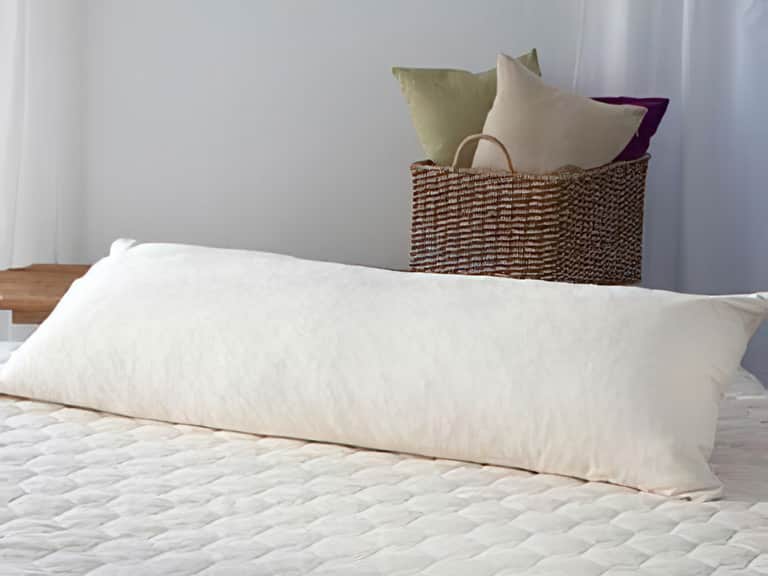
A centerpiece in the Sleep Health Resource, the Savvy Rest Body Pillow embodies a philosophy of tailored comfort and natural materials. This adjustable pillow offers fills such as shredded natural latex, organic wool, organic kapok, or a wool-latex blend, enabling you to sculpt loft and firmness to your own specifications. The design prioritizes spinal alignment and shoulder support, making it a thoughtful tool for those grappling with neck and back discomfort as they sleep.
Savvy Rest Body Pillow
Price: $229.00
Fill options include shredded natural latex, organic wool, organic kapok, or a wool-latex blend. The pillow is adjustable—unzip the casing and remove or add fill to achieve 17" or 20" width, with a length of 52". The unbleached organic cotton casing reinforces the product’s commitment to natural materials.
Why it matters for sleep health: A properly aligned spine reduces muscular tension, supports pelvic alignment for side sleepers, and can improve breathing patterns during sleep. For travelers and home use alike, this pillow provides a customizable, durable solution that grows with your needs.
A Broader View: Bedding as Part of Sleep Health
Bedding is more than a cover for sleep; it’s a canvas for rest. The category spans sheets, mattresses protectors, pillows, and comforters—each element contributing to temperature regulation, allergen management, and tactile comfort. In the product catalog that informs this guide, we see organic materials and certified fabrics that align with a healthful sleep ethos. For instance, the Savvy Rest Body Pillow illustrates how choice in fill and cover materials can shape nightly comfort and long-term well-being.
Organic Bedding and Health
Organic cotton, GOTS certification, and natural fillings are not just marketing terms; they signal a commitment to reducing chemical exposure and supporting sustainable farming. In a broader health context, these choices support skin health, reduce potential irritants, and align with a lifestyle that prioritizes long-term wellness.
Mattress Pads and Encasements
Protectors and encasements defend mattress investments while mitigating exposure to dust mites and allergens. In a health narrative, they serve as practical tools for extending mattress life and maintaining a cleaner sleep surface, which can translate to more restful nights and less daytime discomfort.
Closing Thoughts: A Practical Path to Better Sleep
Sleep health is not a single cure but a constellation of habits, routines, and environments that harmonize to support our nightly rest. From bedtime rituals to a cooler bedroom and thoughtfully chosen bedding, the steps outlined here offer a practical pathway to improved sleep quality. Our exploration of historic figures reinforces the idea that sleep is both a science and an art—one refined by data as much as by daily lived experience.
As you apply these ideas, consider the three anchors: consistency, environment, and mindful consumption of stimulants. Let your pillow choices, sheet fibers, and mattress pads reflect your commitment to a healthier night’s sleep. In doing so, you join a long lineage of sleepers who understood that a good night’s sleep is a foundation—not a luxury—for a healthier, more curious, more resilient life.