Kids mattresses are designed to support growing bodies with a balance of comfort and spinal alignment. This category emphasizes appropriate firmness, breathable materials, and safety considerations such as low chemical emissions andCertifications. Understanding the differences between innerspring, foam, and hybrid constructions helps caregivers choose a mattress that meets a child’s changing sleep needs and activities.
Key features often include responsive support that adapts to movement, temperature regulation to reduce nighttime overheating, and durability to withstand regular use. For young sleepers, durable fabrics and edge support can enhance longevity, while removable, washable covers simplify hygiene. Knowledge of materials, such as natural or low-VOC options, supports healthier sleep environments.
In this category, memory foam pillows and other complementary bedding components are considered for comprehensive sleep setups. While focusing on the mattress, it’s helpful to note how pillow firmness, loft, and material can influence neck and spine alignment for children. Integrated sleep systems may also address allergies and sensitivities with hypoallergenic fabrics.
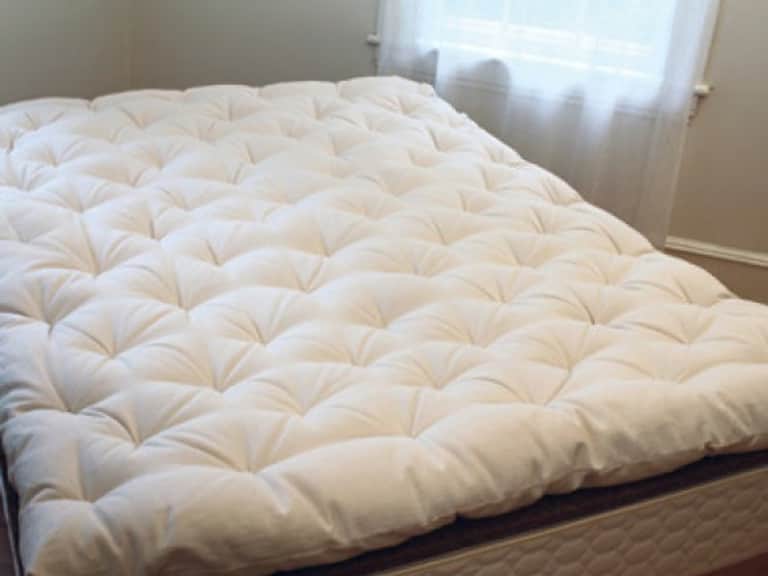
Important product considerations include weight capacity, thickness, and transition from crib alternatives to full-size beds. The Savvy Rest Pastoral Wool Mattress represents wool’s natural moisture-wicking and temperature-regulating properties, contributing to a comfortable sleep surface. Such options demonstrate how material choice affects comfort and long-term usability.
Overall, selecting a kids mattress involves evaluating support needs, materials, and safety standards that align with pediatric sleep guidelines. By comparing constructions, covers, and certifications, caregivers can identify options that promote restful, uninterrupted sleep. Relevant bedding compatibility, including pillows, memory foam pillows, adjustable beds, and comforters, supports a holistic approach to child sleep health.
 Mattresses